


Winter Maintenance Tips for Your Eavestroughs to Avoid Ice Dams
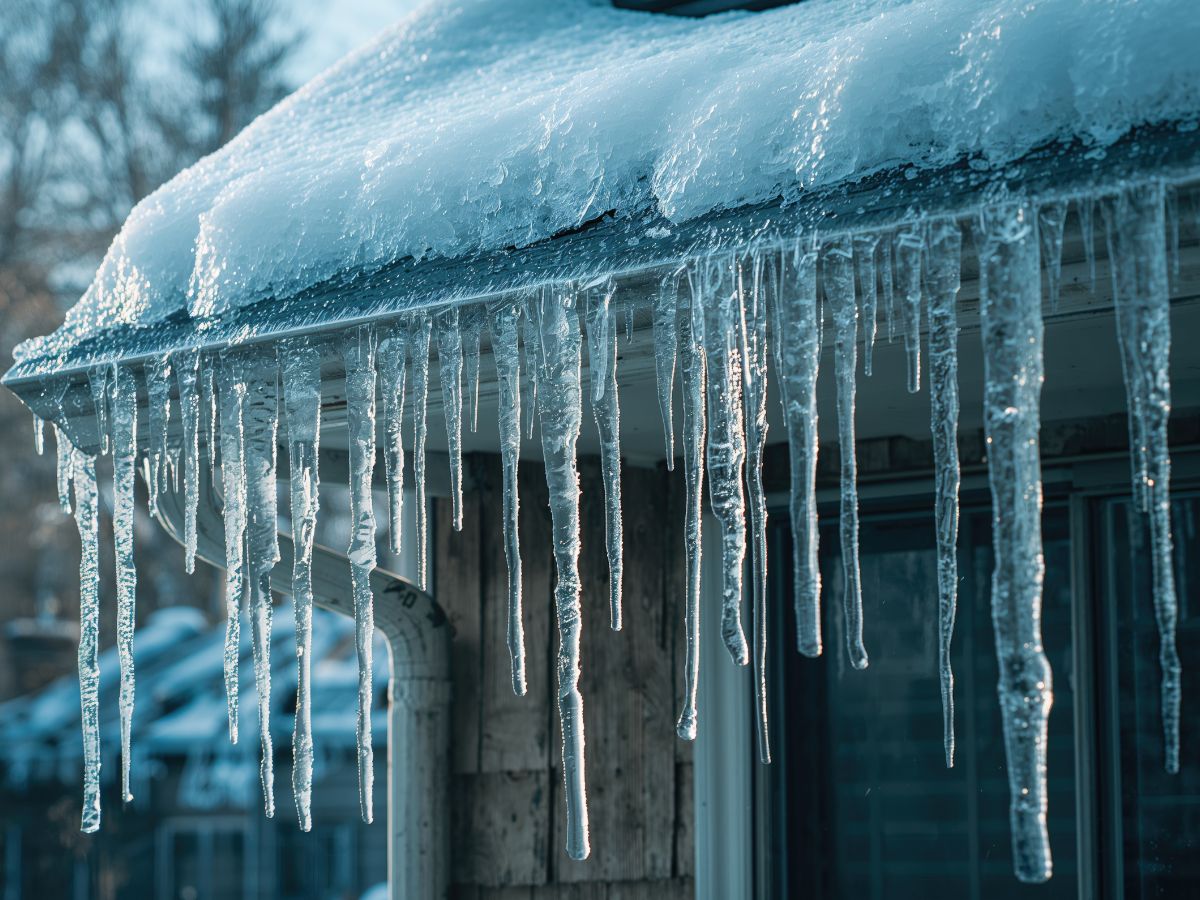
Winter brings its own set of challenges for homeowners, and one of the most common—and potentially damaging—problems is the formation of ice dams. Ice dams occur when snow on your roof melts due to heat escaping from the attic, flows down to the colder edges of the roof, and refreezes along the eaves. This frozen barrier prevents proper drainage, causing water to back up under shingles and potentially seep into your home. The result can be icicles, water-stained ceilings, damaged walls, and even structural issues if left unaddressed. Fortunately, with proper eavestrough maintenance and some preventative steps, you can minimize the risk of ice dams.
Why Proper Eavestrough Maintenance Matters
Eavestroughs, also known as gutters, are your home’s first line of defense against winter water damage. When functioning properly, they channel rain and melting snow safely away from your roof and foundation. If your eavestroughs are clogged or damaged, water cannot flow freely and will accumulate along the roof edge. In cold conditions, this water freezes, forming ice dams that can lead to costly repairs. Understanding the role your eavestroughs play is the first step toward protecting your home.
Keep Eavestroughs Clean and Clear
Debris like leaves, twigs, and dirt can block water flow and contribute to ice dam formation. Even a small obstruction can create a section of standing water, which freezes and creates a dam at the roof’s edge. Cleaning your eavestroughs before winter ensures that water can drain effectively. Don’t forget to check your downspouts as well. Clear, unobstructed downspouts direct water away from your home’s foundation, preventing basement flooding and additional structural issues.
Inspect for Damage or Misalignment
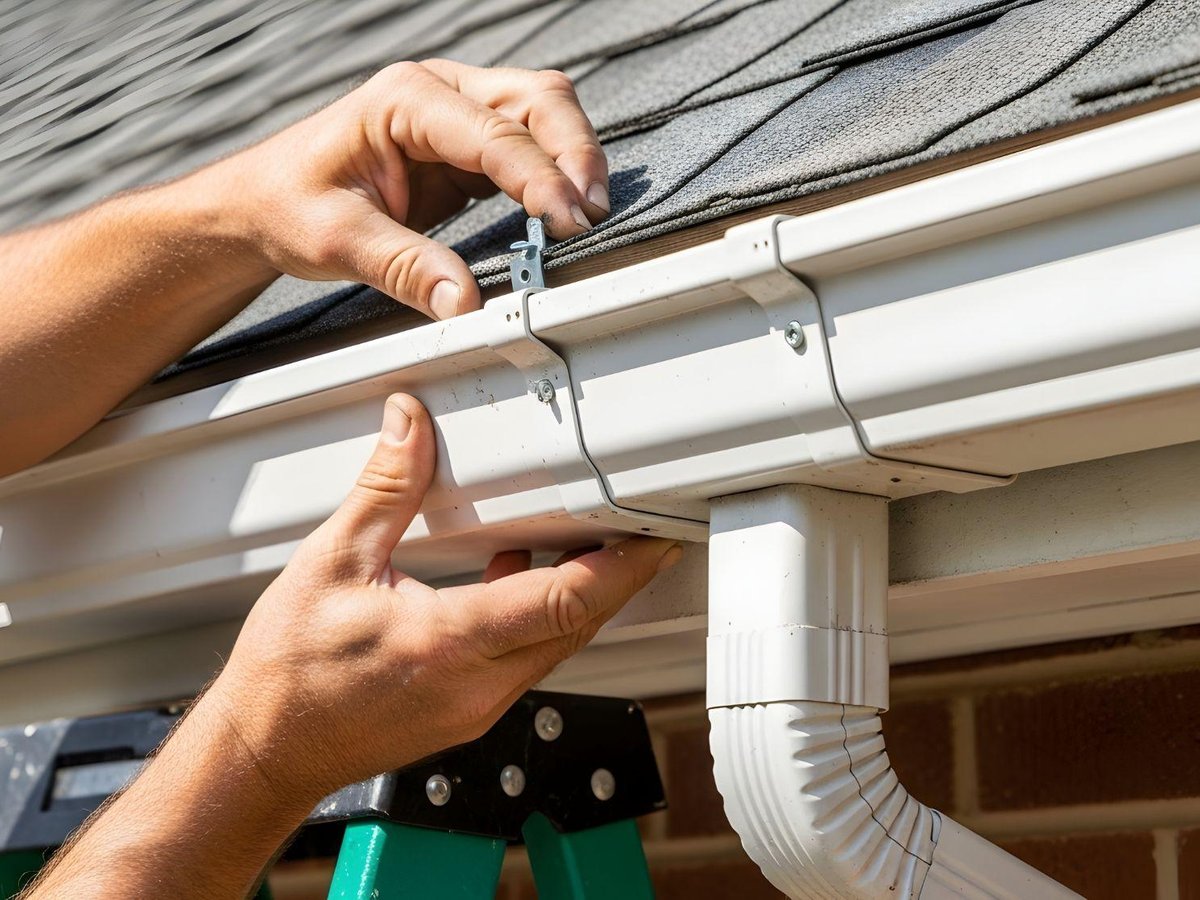
Eavestroughs that are sagging, loose, or improperly pitched prevent water from flowing to the downspouts efficiently. Poorly installed or damaged gutters create pockets where water can pool and freeze, making ice dams more likely. Homeowners should inspect gutters for cracks, holes, or separation from the fascia. Repairs or replacement should be addressed promptly, and professional installation ensures proper alignment, pitch, and secure attachment to handle winter conditions effectively.
The Role of Heating Cables
For homes in regions with harsh winters, heating cables can be a highly effective solution. Installed along the roof edge or inside eavestroughs, these cables gently melt snow and ice, preventing accumulation. Heating cables are particularly useful for roofs with complex designs, valleys, or areas prone to heavy snow. While not a replacement for clean, well-maintained gutters, they provide an added layer of protection for homes at high risk of ice dams.
Attic Insulation and Ventilation Are Key
Ice dams are not caused by gutters alone. They often form because warm air escaping from the attic melts snow unevenly on the roof. Poor attic insulation and inadequate ventilation allow heat to rise and warm the roof surface, creating the conditions for ice dam formation. Proper insulation and ventilation help maintain a consistent roof temperature, allowing snow to melt evenly and flow into the eavestroughs instead of refreezing at the edges. Homeowners should consider having an energy audit to identify gaps in insulation and ventilation issues before winter.
Additional Preventative Tips
Beyond regular maintenance, homeowners can take other steps to minimize ice dam risks:
- Trim Overhanging Tree Branches: Branches can drop leaves or debris into your eavestroughs and shade parts of the roof, causing uneven snow melting.
- Install Gutter Guards: These can prevent debris from entering the gutters, reducing the frequency of cleaning while maintaining water flow.
- Regular Snow Removal: Using a roof rake to remove excess snow can reduce the amount of water flowing into the eaves during thawing periods.
Professional Maintenance Matters
Even with diligent homeowner care, professional inspection and maintenance can ensure your eavestrough system is prepared for winter. Experts can identify hidden issues, perform necessary repairs, and advise on preventative solutions like heating cables or gutter guards. Investing in professional services helps safeguard your home from ice dam damage and provides peace of mind during the coldest months of the year.
Conclusion
Preventing ice dams starts with proper eavestrough care. Keeping your gutters clean, inspecting for damage, maintaining proper attic insulation and ventilation, and seeking professional support are key steps in protecting your home from winter water damage. With these measures in place, your home can safely withstand the challenges of winter, keeping you warm and dry.
For reliable eavestrough maintenance, installation, and winter protection services, contact Reynolds Brothers Exteriors today. Our experienced team ensures your home is prepared for ice, snow, and winter weather, protecting your investment year after year.
Lorem ipsum dolor sit amet, consectetur adipiscing elit. Fusce quis bibendum ipsum.





.png)


