Heated Gutters and Heat Cables: Do Ontario Homes Really Need Them?
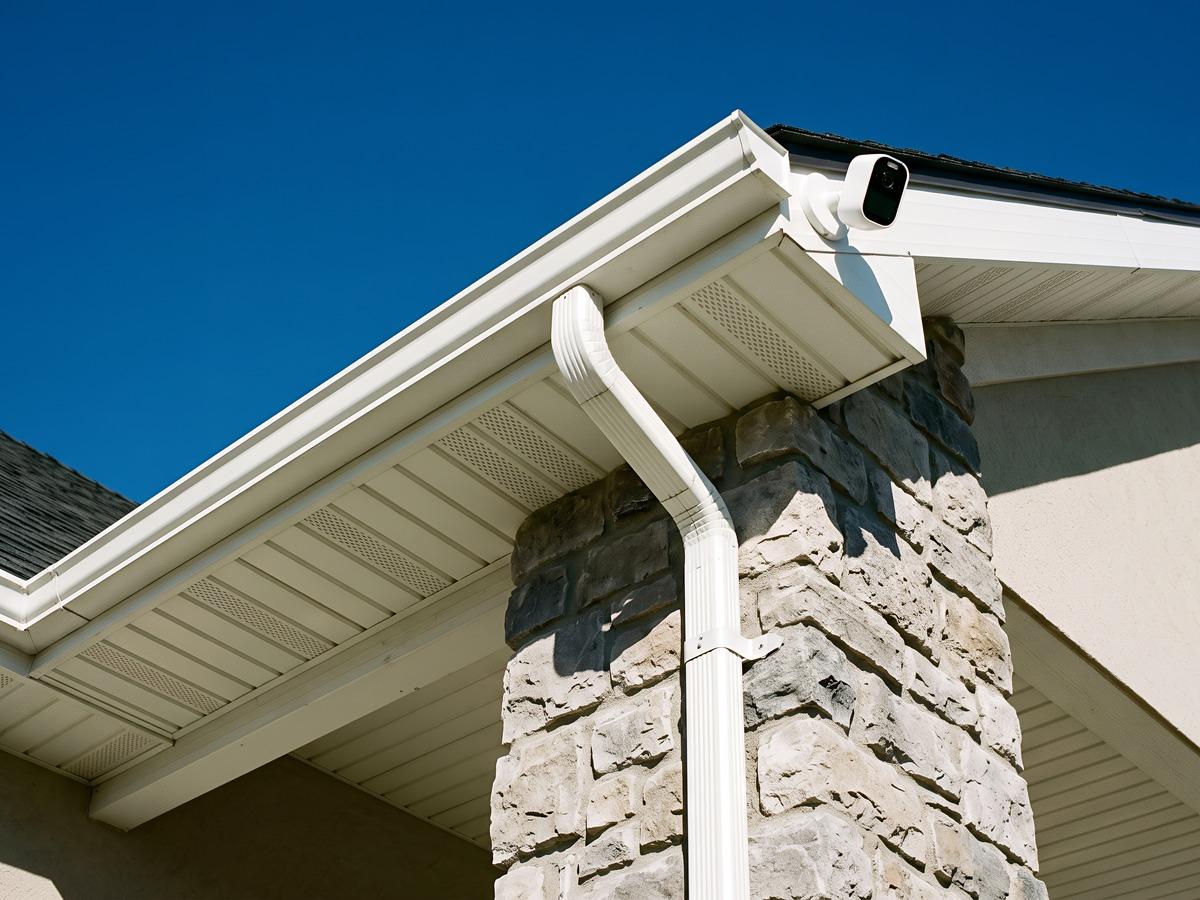
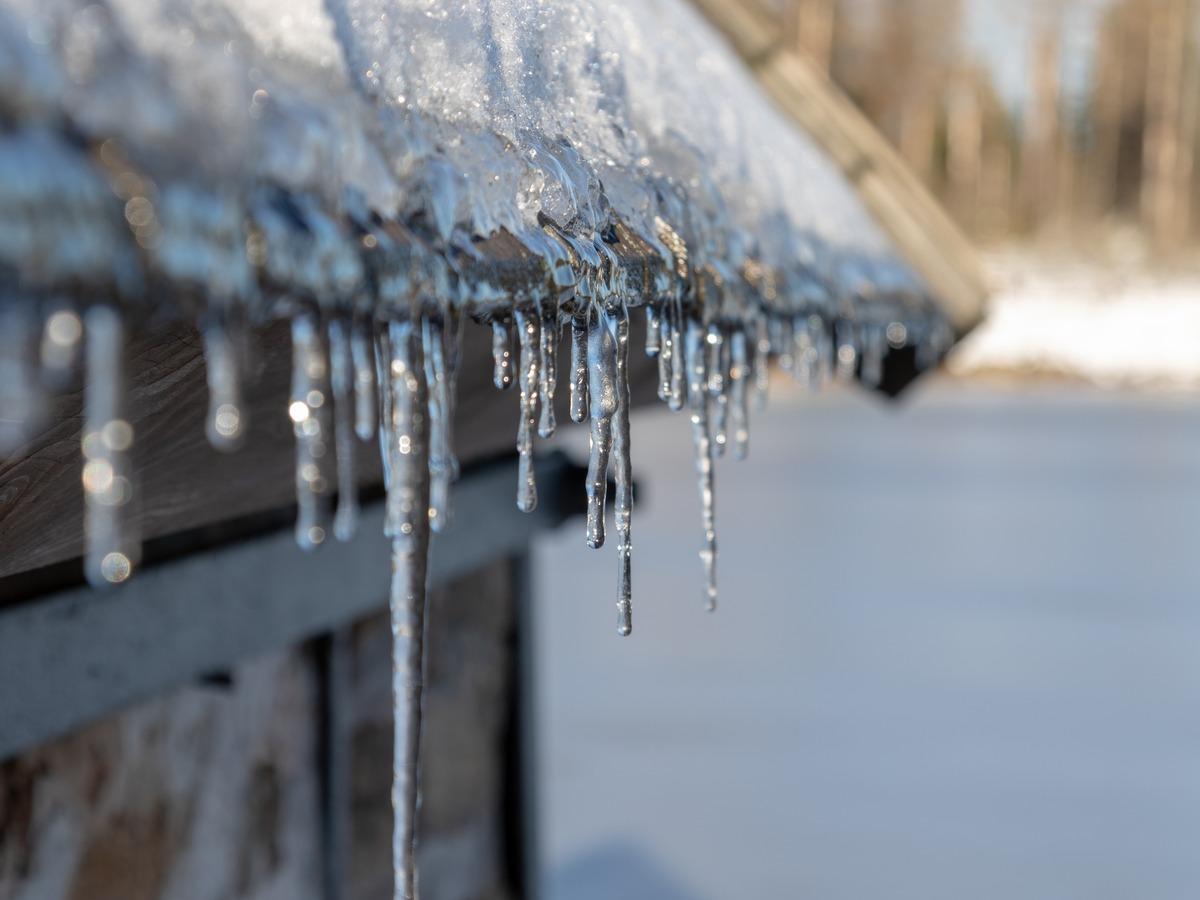
Every winter in Simcoe County, homeowners look up and see the same thing: eavestroughs packed with ice, icicles hanging from the roof edge and downspouts frozen solid.
Heated gutters and heat cables are often suggested as the solution. They can help in the right situation, but they are not always the best fix. Here is what you should know before you add them to your home.
Why Eavestroughs Freeze in Winter
Eavestroughs freeze when water from melting snow runs into them and then refreezes. This usually happens because of:
- Freeze and thaw cycles: Warm days melt snow on the roof, then temperatures drop overnight
- Heat escaping from the attic: Warm attic air melts snow on the upper roof, and the water refreezes at the cold roof edge
- Clogged eavestroughs: Leaves and debris left from the fall trap water so it cannot drain
- Poor slope: Eavestroughs that do not drain properly hold water that turns to ice
- Downspouts that dead end in shade: Water freezes at the bottom and backs up the downspout
What Are Heated Gutters and Heat Cables?
Heat cables are electric cables installed along the roof edge, inside the eavestrough and down the downspouts. When they are turned on, they warm up enough to keep a channel open so meltwater can drain instead of freezing.
Roof cables are often run in a zigzag pattern along the lower edge of the roof.
Heated gutter systems are more permanent. Some use heating elements built into a gutter guard or into a panel at the roof edge.
When Heat Cables Can Help
Heat cables can be useful for:
- Problem spots that ice up every winter, such as valleys or north facing roof sections
- Downspouts in shaded areas that freeze solid
- Low slope roofs where snow sits for long periods
- Homes where attic and ventilation fixes are not practical
- Areas above walkways and entrances where icicles are a safety risk
The Downsides of Heat Cables
- They treat the symptom, not the cause. If ice is forming because heat is escaping from the attic, heat cables do not stop the heat loss.
- They use electricity. Running cables all winter adds to your hydro bill.
- They need to be installed correctly. Cables should be rated for outdoor use, installed to the manufacturer's instructions and plugged into a properly protected outdoor outlet.
- They only work where they are installed. Ice can still form above or beside the heated area.
- They can be damaged. Snow, ice and roof work can damage cables over time, so they should be checked before each winter.
For safety, any new outdoor electrical work should be done by a licensed electrician.
Better Ways to Reduce Ice in Your Eavestroughs
In many homes, fixing the cause of the ice is more effective than heating the eavestroughs. Start with these:
1. Clean eavestroughs before winter
Clearing out leaves and debris in late fall gives meltwater a clear path to the downspouts.
2. Add gutter protection
Gutter guards help keep debris out year round, so your eavestroughs are clear when the snow starts to melt.
3. Check the slope
Eavestroughs that hold standing water will freeze. Re hanging sagging sections so they drain properly can make a big difference.
4. Upgrade to larger eavestroughs and downspouts
A 6 inch eavestrough and larger downspouts move more water and are less likely to block up with ice.
5. Improve attic ventilation
Vented soffit lets cold outside air into the attic, which helps keep the roof deck cold and reduces the melting that leads to ice dams. Blocked or non vented soffit is one of the most common causes of ice problems at the roof edge.
6. Redirect downspouts
Downspouts that end in a shaded spot or a low area where water pools can freeze from the bottom up. Moving them or adding extensions can help.
What to Do About Frozen Downspouts
If a downspout is frozen solid:
- Do not hit it with a hammer or try to chip the ice out. You can damage the downspout and the connections.
- Clear snow away from the bottom so meltwater has somewhere to go.
- Wait for a thaw, or ask a professional for help if water is backing up into the eavestrough.
If the same downspout freezes every year, it is worth looking at its size, location and the drainage around it.
Stay Safe Around Ice
Large icicles and heavy ice in eavestroughs can damage hangers and fascia, and they can be dangerous to people below. Avoid climbing a ladder onto an icy roof edge. If ice is pulling your eavestroughs away from the house, call a professional.
Related reading: Winter Maintenance Tips for Your Eavestroughs to Avoid Ice Dams and Vented vs. Non-Vented Soffit: Why It Matters for Your Attic
Winter Eavestrough Help in Barrie and Simcoe County
Reynolds Brothers Exteriors helps homeowners throughout Barrie, Orillia, Innisfil, Springwater, Oro Medonte, Collingwood and surrounding communities fix the causes of winter ice problems, from seamless eavestrough and downspout upgrades to gutter protection and vented soffit.
Contact Reynolds Brothers Exteriors today to request a quote and get your home ready for winter.
Lorem ipsum dolor sit amet, consectetur adipiscing elit. Fusce quis bibendum ipsum.